Fire Extinguisher Types & Usage
- Water Extinguishers – Class A fires (wood, paper, cloth). Not for electrical or grease fires.
- Foam Extinguishers – Class A & B fires (flammable liquids). Forms a blanket to smother flames.
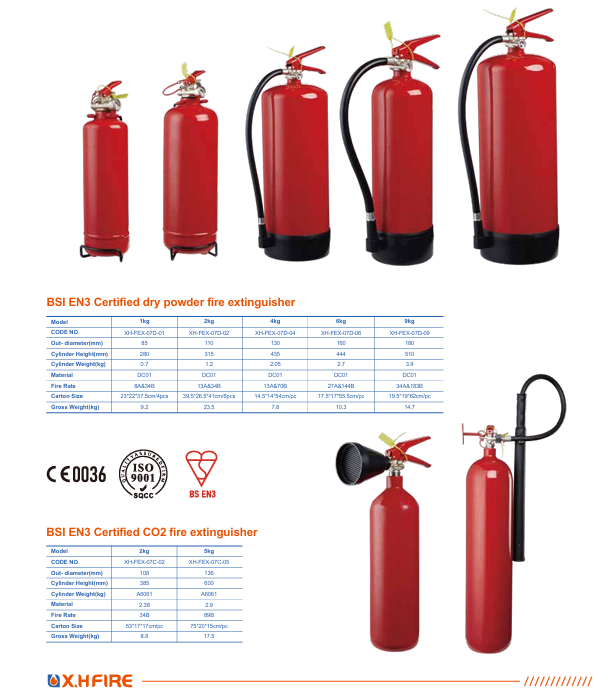
- CO₂ Extinguishers – Class B & C fires (electrical, flammable liquids). Leaves no residue.
- Dry Chemical Powder (DCP) – Multi-purpose (Class A/B/C). Common in GCC industries.
- Class K Extinguishers – Kitchen fires (cooking oils/fats). Required in restaurants.
- Class D Extinguishers – Combustible metals (magnesium, titanium). Used in specialized industries.
Key Features:
- Diverse Options: Includes various types of extinguishing agents such as water, foam, CO2, and dry chemicals to suit different fire risks.
- Automatic Activation: Many systems are equipped with automatic activation features that detect and respond to fire incidents without manual intervention.
- Fast Response: Designed for rapid response to control and extinguish fires, minimizing damage and ensuring safety.
- Easy Maintenance: Simple to maintain and service, ensuring readiness and effectiveness when needed.
- Compliance: Meets industry standards and regulations for fire safety and protection.
Types of Fire Extinguishing Systems:
- Water-Based Systems: Utilizes water or water mist to suppress fires. Ideal for Class A fires (ordinary combustibles like wood and paper).
- Foam Systems: Uses foam to smother fires and prevent re-ignition. Suitable for Class A and B fires (flammable liquids).
- CO2 Systems: Employs carbon dioxide to displace oxygen and extinguish fires. Effective for electrical and flammable liquid fires (Class B and C).
- Dry Chemical Systems: Deploys dry chemical powders to interrupt the chemical reaction of the fire. Suitable for Class A, B, and C fires.
- Clean Agent Systems: Uses specialized agents like FM-200 or NOVEC 1230 that are effective in suppressing fires without damaging sensitive equipment.
Components:
- Extinguishing Agent: The material used to suppress the fire, such as water, foam, CO2, or dry chemicals.
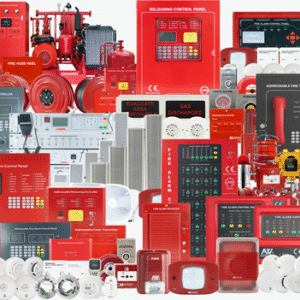
- Control Panel: Manages the activation and operation of the fire extinguishing system.
- Detection Devices: Sensors and detectors that identify the presence of fire and trigger the system.
- Distribution Network: Pipes, hoses, or other delivery mechanisms that transport the extinguishing agent to the fire.
- Nozzles and Sprinklers: Devices that release the extinguishing agent in a controlled manner to effectively suppress the fire.
Applications:
- Commercial Buildings: Offices, retail stores, and public facilities where fire protection is critical.
- Industrial Facilities: Factories, warehouses, and manufacturing plants with specific fire risks and requirements.
- Residential Complexes: Apartment buildings, hotels, and other residential settings needing reliable fire suppression.
- Data Centers: Sensitive areas where clean agent systems are used to protect electronic equipment from fire and damage.
Benefits:
- Effective Fire Control: Provides fast and efficient fire suppression to minimize damage and protect property.
- Safety Enhancement: Ensures safety for occupants by controlling fires quickly and reducing risks.
- Versatility: Offers a range of extinguishing agents and systems to suit different fire types and environments.
- Compliance: Helps meet fire safety regulations and standards, ensuring legal and safety compliance.
Considerations:
- Fire Risks: Choose the appropriate type of extinguishing system based on the specific fire risks present in the environment.
- System Design: Proper design and installation are crucial for effective fire suppression and compliance with standards.
- Maintenance: Regular inspection and maintenance are necessary to ensure system readiness and functionality.
- Training: Ensure personnel are trained in the use of the fire extinguishing system and understand its operation.
Reviews
There are no reviews yet.