
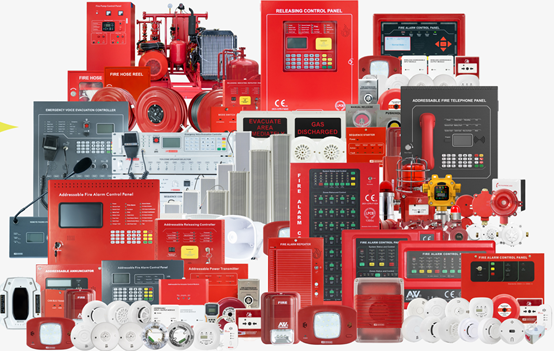
Wireless Fire Alarm Systems
- Wireless Smoke Detectors – Detect smoke particles, battery-powered, NFPA 72 compliant.
- Wireless Heat Detectors – Trigger alarms based on temperature rise, suitable for kitchens and industrial areas.
- Wireless Manual Call Points – Allow occupants to manually trigger alarms.
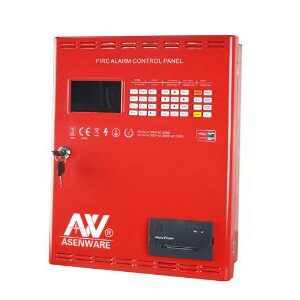
- Wireless Control Panels – Central monitoring, integrates with evacuation systems.
- Wireless Sounders & Strobes – Audible and visual alarms for evacuation.
Key Features:
- Wireless Connectivity: Utilizes wireless technology for communication between detectors, control panels, and notification devices, eliminating the need for extensive wiring.
- Easy Installation: Simple to install with minimal disruption, ideal for retrofit applications or where wiring is impractical.
- Scalability: Easily expandable to accommodate changes in building layout or additional detection needs.
- Real-Time Alerts: Provides immediate notifications via wireless signals to alert occupants and emergency services.
- Advanced Diagnostics: Includes features for real-time system status monitoring and fault detection.
Components:
- Wireless Detectors: Smoke, heat, and multi-sensor detectors equipped with wireless communication capabilities.
- Control Panel: Central unit that receives signals from wireless detectors and manages system alerts and operations.
- Wireless Manual Call Points: Allows occupants to manually trigger the alarm system without needing wired connections.
- Notification Appliances: Includes wireless sounders, strobes, and other alert devices to notify occupants of fire incidents.
- Communication Modules: For integration with other systems and remote monitoring.
Applications:
- Residential Buildings: Ideal for homes and apartments where ease of installation and flexibility are important.
- Commercial Spaces: Offices, retail stores, and small to medium-sized businesses requiring effective fire detection with minimal disruption.
- Industrial Sites: Factories and warehouses where traditional wiring may be challenging or costly.
- Historical Buildings: Suitable for buildings where preserving original structures and aesthetics is important, as it avoids the need for extensive wiring.
Benefits:
- Flexible Installation: Avoids the complexities and costs associated with wiring, allowing for quick and easy setup.
- Scalability: Can be easily expanded or reconfigured as building needs change or grow.
- Minimal Disruption: Ideal for retrofitting existing buildings without extensive modifications.
- Real-Time Monitoring: Provides immediate alerts and diagnostics, enhancing system reliability and response times.
- Aesthetic Preservation: Suitable for environments where preserving the appearance of the building is a priority.
Considerations:
- Signal Range: Ensure the wireless system has adequate range and coverage to include all areas of the building.
- Battery Maintenance: Regular checks and maintenance of batteries in wireless devices are necessary to ensure continued functionality.
- Interference: Wireless systems may be susceptible to interference from other wireless devices or structural obstacles.
- Compliance: Verify that the system meets local fire safety regulations and standards.

Reviews
There are no reviews yet.